VILLAGE WELL STUDIO
Retail


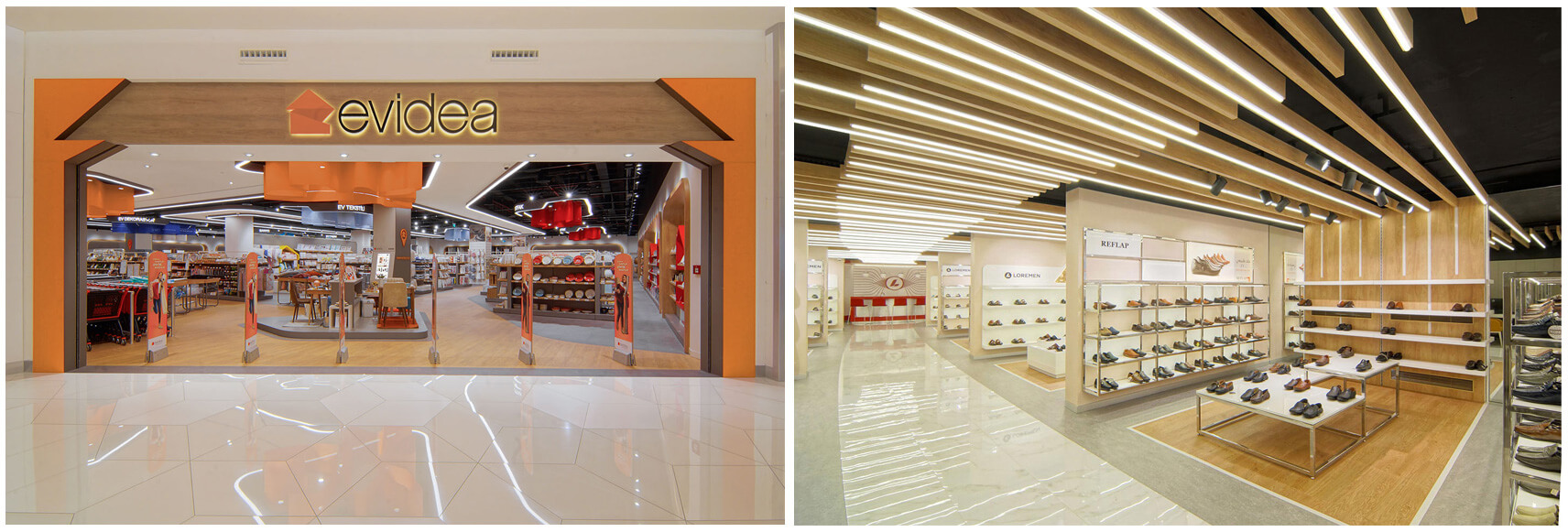
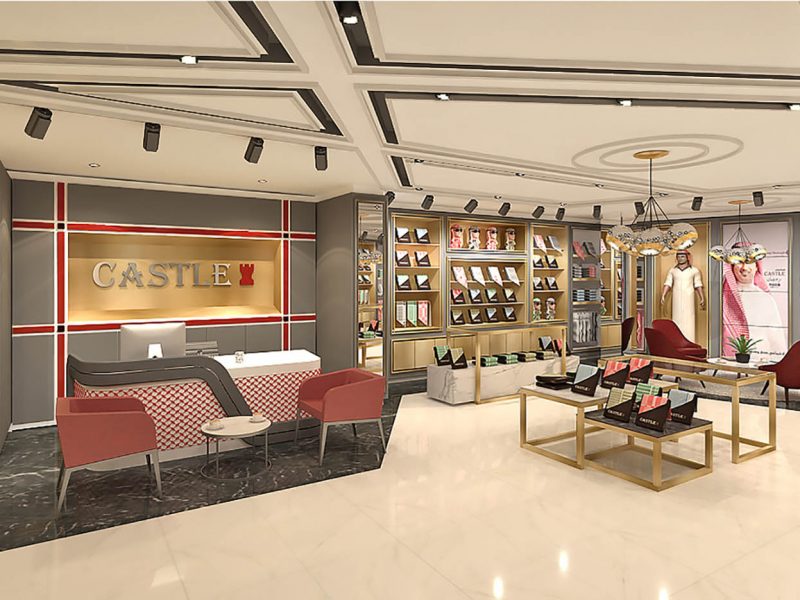
With the increasing presence of shopping malls in everyday life, shopping has evolved beyond a purely transactional activity. Today, it has become an integrated experience that combines leisure, entertainment, dining, and quality time with family and friends. As a result, the act of shopping has transformed into a short yet meaningful journey where customers engage with multiple experiences simultaneously.
From this perspective, offering diverse and experience-driven solutions through retail interior design enables brands and retailers to gain a competitive advantage. Supported by technology, creating interactive environments that encourage customer engagement with products enhances emotional connection and delivers a unique, memorable experience.
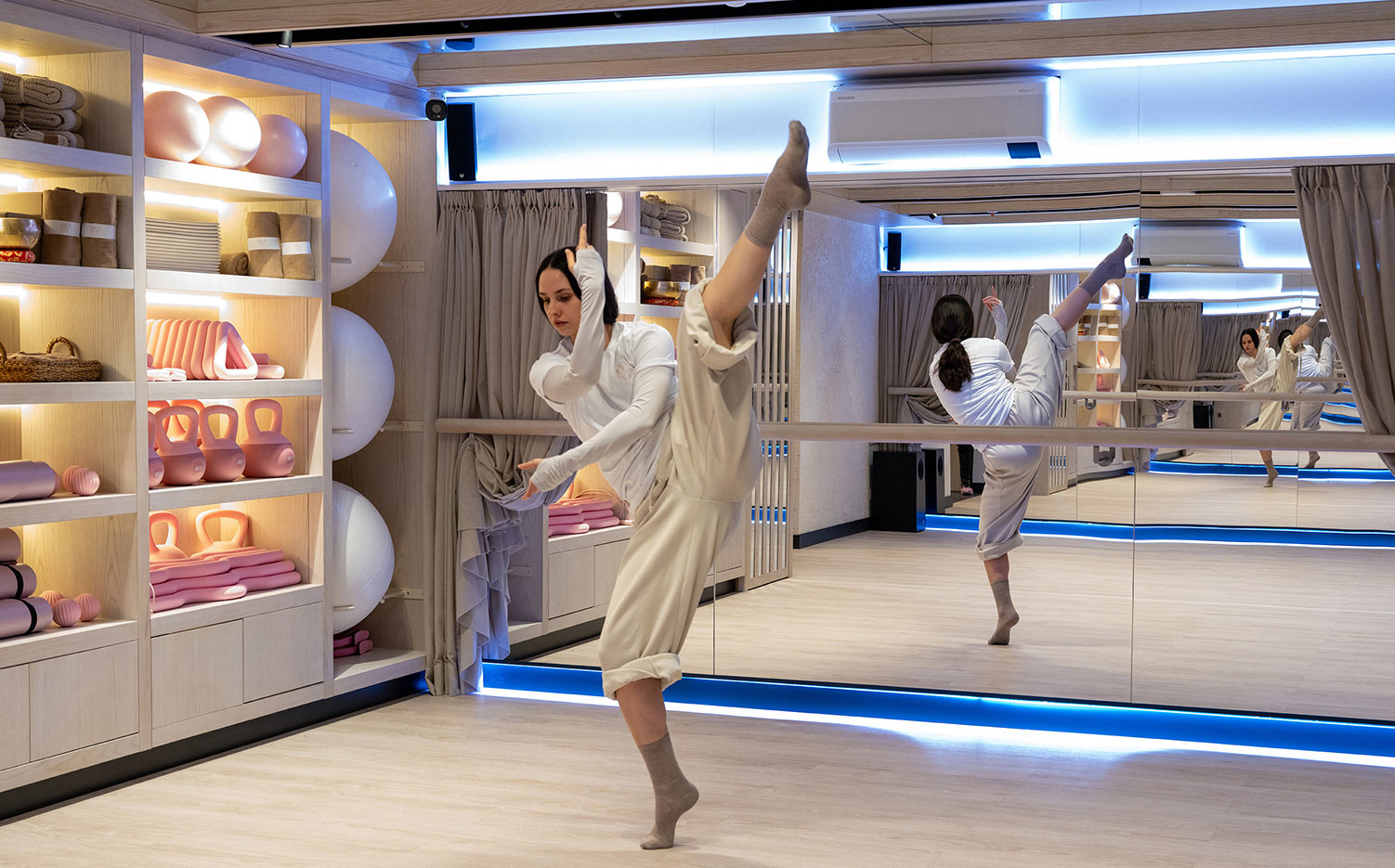
Moreover, incorporating complementary functions into store interior design—such as cafés, event areas, children’s play zones, or comfortable resting and waiting spaces—serves as an effective strategy to enrich the overall customer journey. These experiential elements leave a lasting impression on users while also encouraging them to spend more time within the store, directly contributing to stronger brand interaction and customer satisfaction.
The human brain naturally favors familiar actions and environments, as uncertainty often leads to discomfort. Therefore, existing brand loyalty must be thoughtfully challenged by offering users a clear reason to step beyond what they already know. As a result, in retail interior design, creating a compelling customer experience is now as important as delivering original and creative design solutions. Successful store interiors engage users emotionally, encourage exploration, and leave a lasting impression that motivates customers to discover new spaces.
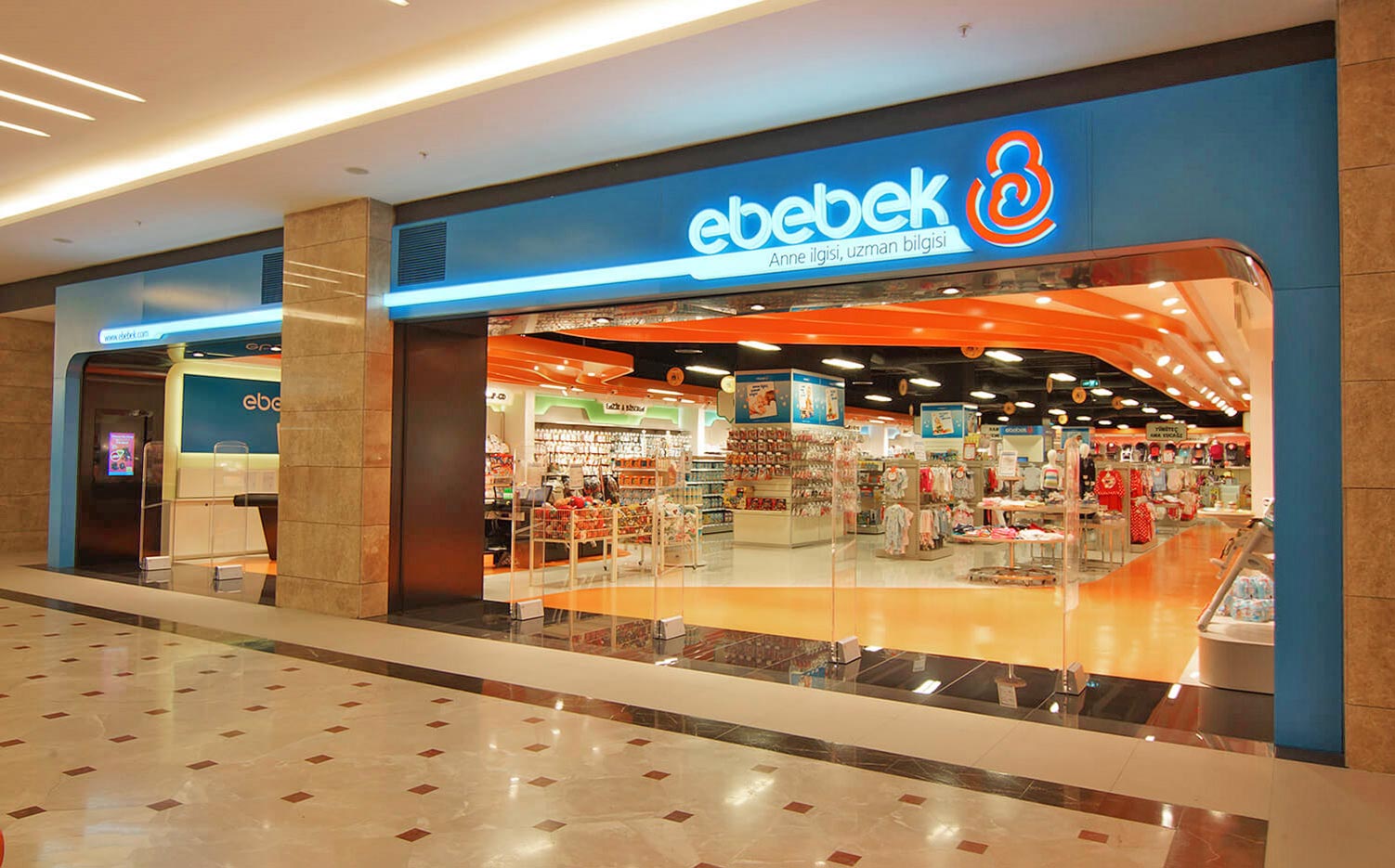
Window display design is a key element in attracting new customers and introducing a brand’s identity before they enter the store. At this first point of contact, all visual merchandising elements must work together to capture attention and create a strong visual impact.
Approached as a stage-like composition, decoration, lighting, visual interaction, and product presentation should be designed within a unified concept, transforming the façade and window display into a compelling invitation to the retail space.
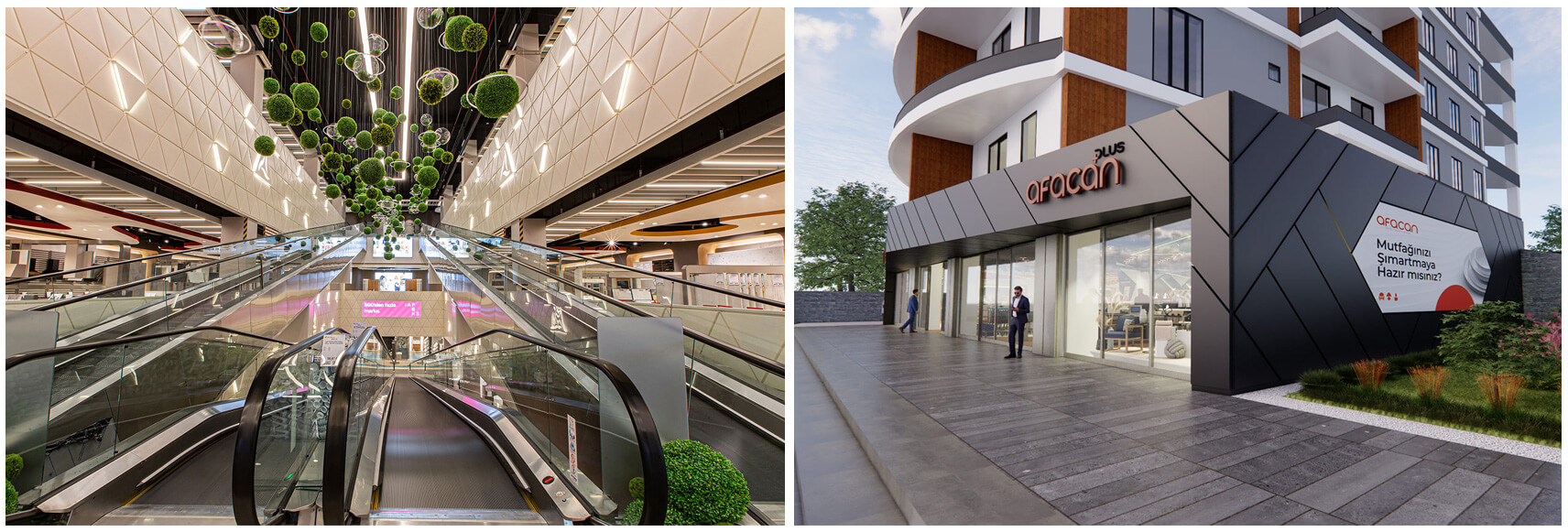
In retail interior design, visual interaction elements such as digital screens, imagery, and integrated information tools support customer navigation and enhance the overall shopping experience—without disrupting in-store flow. When thoughtfully coordinated with product placement, these elements improve perception and engagement.
In larger retail spaces, clear circulation paths guide customers through their purchasing journey, while checkout areas offer valuable opportunities for visual communication and brand messaging. As the final point of contact, these areas leave a lasting impression.
Retail interior design is a powerful reflection of brand identity and plays a vital role in competing with e-commerce. Guided by in-depth knowledge of customer behavior and market dynamics, OSO Architecture & Design has been creating distinctive boutique and chain store concepts since 2007.